
English| EUR
Suggested for you
More currencies
Choose a language
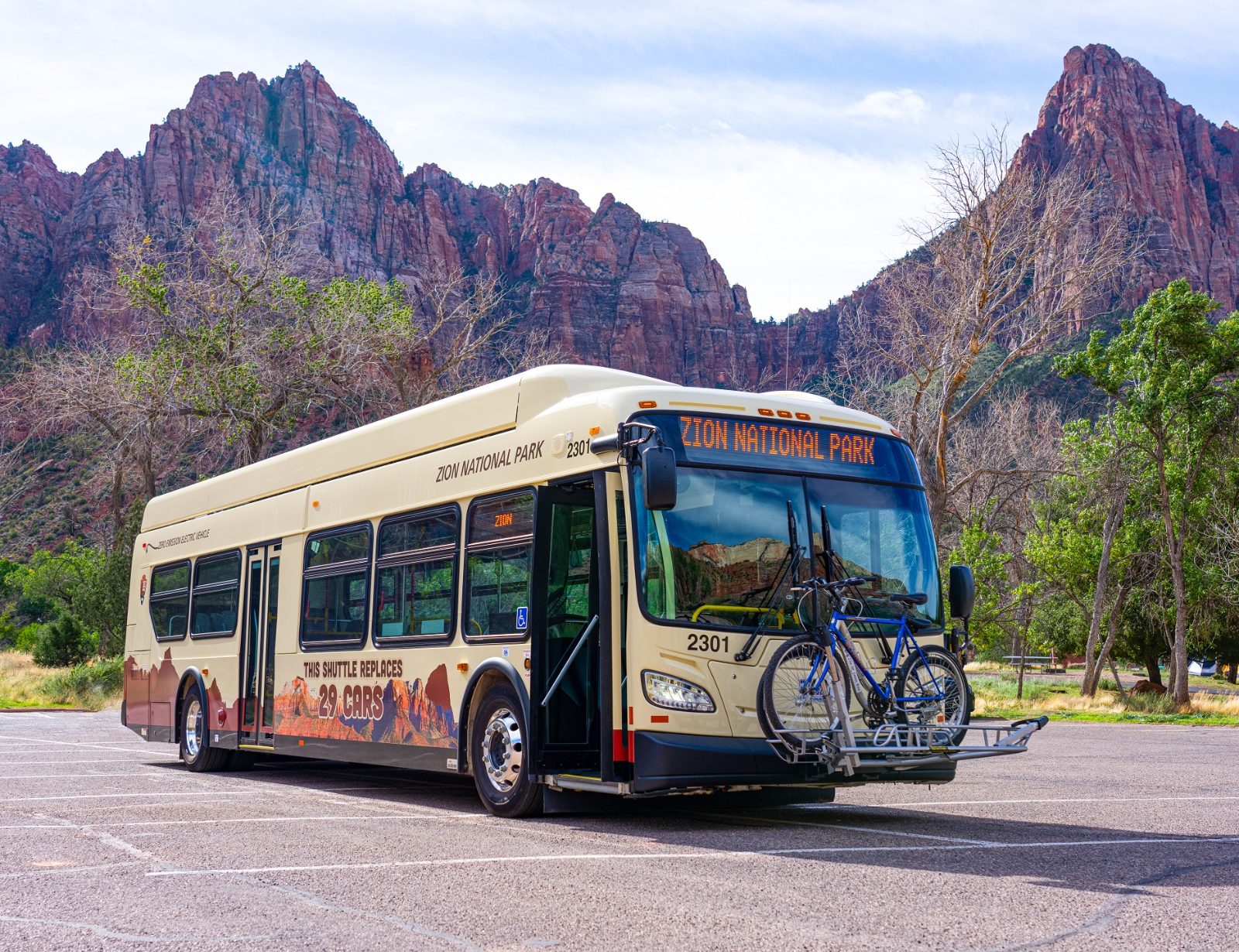
Zion National Park operates one of the most visitor-friendly shuttle systems in the U.S. national park network, ferrying travelers to nine canyon stops from April through October. The question of whether you need a tour guide for Zion National Park hinges on permit requirements, canyon familiarity, and the specific terrain you plan to cover. Most day visitors navigate the paved Riverside Walk and Emerald Pools trails without professional guidance, while technical slot canyons demand both permits and specialized knowledge.
Quick answer
You do not need a tour guide for Zion National Park if you plan to visit popular trails like Angels Landing, the Narrows day hike, or Emerald Pools—the mandatory shuttle system runs every six to ten minutes during peak season and delivers you to trailheads with posted signage. A guide becomes valuable for permit-only canyoneering routes such as the Subway, off-trail scrambles in Kolob Canyon, or multi-day Narrows through-hikes where route-finding and flash-flood assessment require experience.
Zion Canyon processes more than four million visitors each year, yet 80 percent of foot traffic concentrates on fewer than five trails served directly by the park's free shuttle line. The system runs continuously from early morning until late evening during the April-to-October high season, stopping at Temple of Sinawava, the Grotto, Zion Lodge, and six other marked zones along the six-mile paved scenic drive. Every shuttle stop connects to maintained trails with mileage markers, elevation profiles, and real-time danger warnings posted at each trailhead kiosk. Guided interpretation becomes relevant when your itinerary includes technical slot canyons, unmarked Kolob Terrace routes, or the full sixteen-mile Narrows through-hike from Chamberlain Ranch. These environments lack groomed paths and demand proficiency in anchor rigging, swift-water navigation, and weather-pattern monitoring—skills that multi-day canyoneering guides bring alongside group permits that individual visitors must enter a lottery to secure months in advance. The National Park Service issues fewer than eighty daily permits for the Subway, and commercial outfitters hold a reserved allocation that bypasses the public lottery system. Ranger-led programs offer middle-ground educational value without requiring you to hire a private guide. The park schedules evening amphitheater talks, geology walks along Pa'rus Trail, and junior ranger sessions at the Zion Human History Museum six days a week during summer months. These programs are free with your park entrance pass and cover canyon formation, Colorado Plateau ecology, and Ancestral Puebloan site interpretation—context that enriches self-guided exploration without dictating your pace or route. Independent visitors who arrive during the 6:00–8:00 a.m. window secure shuttle boarding within minutes and reach high-demand trailheads like Angels Landing before mid-morning heat and afternoon thunderstorm risk escalate. The park's official app delivers trail-condition updates, water-availability alerts, and shuttle wait-time estimates in real time, equipping prepared hikers with the situational awareness that guided groups receive through their lead interpreter. If your plans stay within the shuttle corridor and maintained-trail network, the infrastructure already in place provides navigation, safety communication, and logistical support that make hiring a tour guide for Zion National Park optional rather than essential.
“Eighty percent of Zion's visitors concentrate on fewer than five shuttle-served trails, leaving technical canyons and off-corridor routes to permit holders and guided groups.”
Deciding between a self-guided trip and a professional tour depends on whether you prioritize personal flexibility or the convenience and insight provided by an expert. Both approaches offer distinct ways to experience the landscape.
| Self-Guided Tour Guide | Independent Travel Guided Experience | |
|---|---|---|
| Independence | Full control over pace and route | Fixed itinerary and group schedule |
| Safety/Education | Personal responsibility for hazard awareness | Professional supervision and historical context |
| Navigation Effort | Self-managed via park maps | Managed by professional lead |
| Logistics Handling | Visitor manages all planning | Logistics handled by provider |
| Cost Efficiency | Baseline park access cost | Premium service fee |
Verdict: Choose independent travel if you prefer total autonomy, or opt for a guide if you prioritize educational depth and streamlined logistics.
Zion National Park is located at 1 Zion Park Blvd, Springdale, UT 84767. Visitors typically arrive via car or regional shuttle service to access the main canyon.
I-15 to UT-9 East into Springdale
Springdale Shuttle to Zion Canyon Entrance
Park entrance to Zion Canyon Visitor Center
The best arrival window is 06:00–08:00 to avoid peak shuttle lines and secure parking in the main canyon area. During periods of high visitation, the Zion Canyon Scenic Drive is accessible only via the park's mandatory shuttle system.
To maximize your experience, the best arrival window is 06:00–08:00 to avoid peak shuttle lines and secure parking in the main canyon area. Visiting during shoulder seasons helps balance favorable weather with lower visitor density.
Mild temperatures 60°F–80°F
Wildflowers bloom and temperatures remain comfortable for hiking.
Hot temperatures 90°F–100°F+
Afternoon heat can be extreme, making early mornings essential.
Cooler temperatures 60°F–85°F
Autumn foliage provides clear skies and moderate temperatures.
—
Arriving during the best arrival window of 06:00–08:00 significantly reduces wait times for park infrastructure.
Verdict: The best time to visit is Tuesday to Thursday, arriving between 06:00–08:00 during the months of April or October.
Access to Zion National Park requires an entrance fee paid to the National Park Service, which remains separate from any private tour guide services. This fee covers all passengers in a single private vehicle.
Verdict: A standard vehicle pass costs 35 USD, though non-US residents may be subject to additional fees.
Everything you need to know about do you need a tour guide for zion national park
You do not need a tour guide for zion national park to enter or explore the main trails, as the park is accessible for independent travel. However, guided services can provide logistical support and historical context that enhances your visit.
While not strictly necessary, a professional Zion Canyon excursion can help beginners navigate complex trails and understand safety protocols. Guides often provide insights into the geology and ecology that you might miss on your own.
You are free to explore the park independently by following marked paths and utilizing the official shuttle system. Many visitors choose to navigate the park without professional assistance to maintain their own pace and itinerary.
Hiring a professional offers benefits such as local expertise, equipment provision, and simplified navigation through popular areas like the Narrows or Angel's Landing. It removes the stress of planning and allows you to focus on the environment.
While some specific tour operators offer streamlined logistics, you do not need a tour guide for zion national park to access facilities as long as you have the standard vehicle pass. Entry is managed by the National Park Service, and skip-the-line services do not bypass standard entry requirements.
Visitors often ask do you need a tour guide for zion national park because the shuttle system and high trail traffic can be overwhelming to plan. Clear guidance helps travelers manage their time effectively during peak seasons.
An ebike excursion offers a flexible, self-paced alternative to walking or crowded shuttles while allowing you to cover more distance in the canyon. It is a popular way to see major landmarks without the strict structure of a guided walking tour.
Navigating shuttle routes is part of the standard park experience, and you do not need a tour guide for zion national park to understand the system. Information is readily available at the visitor center, though a guide can certainly offer helpful tips for timing your transit.